
Federation Concert Hall
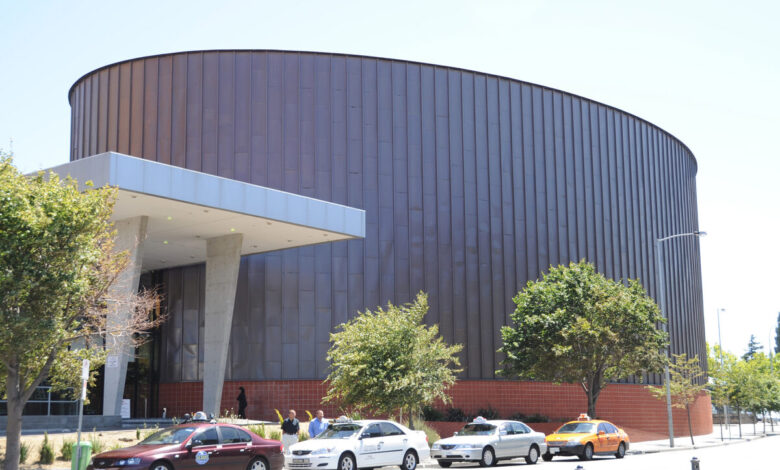
Federation Concert Hall, Hobart’s waterfront home of the TSO
Federation Concert Hall sits at 1 Davey Street, on the Sullivans Cove waterfront in central Hobart, built into the foyer of the Hotel Grand Chancellor. It is the home of the Tasmanian Symphony Orchestra, and it seats 1,100. That is well under half the size of the Concert Hall at the Sydney Opera House, and in our view it is one of the most pleasant places in Australia to hear an orchestra: close to the stage from almost anywhere, a few minutes’ walk from the water, and in a city small enough that you can stroll back to your hotel afterwards.
The TSO describes the hall by its distinctive curve, its golden Tasmanian timber and its waterfront setting. If you are planning a Hobart trip around a concert, here is what our team thinks you should know about the building, the orchestra, getting there and filling the rest of the weekend.
A concert hall built into a hotel, and why that works
The hall was officially opened on 7 October 2000 with a gala concert by the TSO, and the orchestra dates its residency from 2001. It was designed by the practice now called Forward Brianese and Partners (in 2000 it traded as Forward Viney and Partners), working with the acoustic consultants Arup Acoustics. Funding came from the Tasmanian and federal governments, the hotel group and private investors.
The hotel connection is the unusual part. The hall is structurally integrated with the Hotel Grand Chancellor, and the hotel also uses it for conferences and large events. We suspect that shared use is a large part of how a city of Hobart’s size came to have a dedicated symphony hall at all. For concertgoers, the practical upshot is that you walk in through a hotel foyer, which feels odd the first time and perfectly normal by the second.
We would argue the hotel arrangement has aged well. A standalone hall on the waterfront might have looked grander. It would also have been a harder thing to fund and keep busy in a small state, and the TSO has now had a stable, well-located home for a quarter of a century.
Inside Federation Concert Hall: the room and the sound
The auditorium has tiered seating for 1,100. Acoustics have been worked on twice since opening. The first fix came in 2009, when interim upgrades responded to musicians’ difficulty hearing one another on stage, including a timber acoustic screen behind the players. The bigger change came in 2020, when, with concerts halted by COVID-19, the hall was upgraded to introduce variable acoustics: the ability to change how reverberant the room is to suit the music being played. The upgrades also strengthened the hall’s role as a recording venue, particularly for broadcasts on ABC Classic.

Where to sit is partly taste and partly programme. We are careful not to overclaim seat-by-seat acoustics, but some general rules hold in most halls of this size:
- Central seats, a little back from the front, give the most balanced picture of a full orchestra.
- The front rows put you close to the soloist in a concerto, at the cost of hearing the nearest string desks more than the woodwind and brass behind them.
- Higher, raked seats give a clear view over the whole platform, which helps with big orchestral and choral works.
The TSO’s own advice is to call or email its box office for help finding the most accessible and comfortable seats, which is worth doing if you have particular needs.
The TSO and who else plays Federation Concert Hall
The hall belongs, in spirit, to the TSO. Its Chief Conductor and Artistic Director is the Norwegian conductor Eivind Aadland, who took up the role in 2020; the orchestra’s 2025 annual report records that he has extended his contract to the end of 2028. The TSO says it has been performing for more than 75 years, and it plays across Tasmania, from Launceston’s Albert Hall to a vineyard shed, but Davey Street is where most of its big nights happen. The orchestra’s main concerts run as its Federation Concert Hall series, alongside an early-evening 6pm series, family concerts, schools programmes and the regional Music at Woolmers series.
Other presenters use the hall too. The Festival of Voices, Hobart’s winter singing festival, has used it as a venue, and the hall hosts visiting artists and the occasional contemporary concert with the orchestra. A note for chamber music fans planning around the national touring groups: Musica Viva Australia’s current concert cities do not include Hobart, and the Australian Chamber Orchestra’s current listings show no Tasmanian dates, so check their websites before assuming a Hobart stop.
If you want the TSO season the moment it is released, our calendar of when each major company announces its season covers the pattern for the major orchestras.
Getting to Federation Concert Hall and parking
Most visitors walk. Central Hobart is compact, and the hall sits right on the waterfront, a two-minute walk from the Macquarie Wharf cruise terminal and an easy stroll from Salamanca Place and the Hobart CBD. By bus, the TSO suggests riding into the city, with Macquarie Street and Franklin Square as popular stops, then walking down towards the water.
If you are driving, the TSO’s advice is to arrive about 30 minutes early to find a park. The options:
- Paid parking in the Hotel Grand Chancellor car park, off Macquarie Street. Note that there is no lift from the underground car park to the hotel lobby.
- The Market Place and Dunn Place car parks nearby, and casual on-street parking along the waterfront and through the city.
- The public car park at 41 Evans Street closed permanently on 1 November 2026 because of the Macquarie Point stadium construction, so do not rely on older directions that send you there.
For accessible arrival, the Davey Street valet turning circle allows drop-off right outside the hall. The TSO’s Federation Concert Hall venue page has the current parking and transport details.
Access, tickets and the night itself
The hotel and the hall have accessible entry and bathrooms, and designated wheelchair spaces can be booked through the TSO box office. Hidden Disability Sunflower lanyards are available at the box office too. For specific needs, the orchestra’s accessibility information is the place to start, and its staff can advise on seats before you book.
Buy tickets from the TSO itself, online or through its box office, and not from a resale site. If you are travelling from interstate for one specific concert, book the ticket before the flights. Popular programmes in a hall this size can sell out, and a 1,100-seat room has no spare capacity for late deciders.
First time at a TSO concert? The orchestra’s own “what to expect” guidance is refreshingly relaxed. There is no dress code: jeans are as welcome as a dinner suit. Arrive about 30 minutes before the start to allow for parking and a drink at the bar, and if you are running late, staff will seat you at the earliest suitable moment. Federation Concert Hall series concerts often finish between 9.30pm and 10pm, which is worth knowing if you are bringing children; the TSO runs family concerts and relaxed performances for younger listeners and those with sensory needs. And on the old worry about clapping between movements, Eivind Aadland has put it plainly: “There are no rules to think about – if you applaud in the ‘wrong place’, it’s not wrong – I love it when people do that.”
On the night, think of the hotel foyer as your concert foyer. Arrive with time to spare, especially if you are parking. The TSO’s venue page also lists partner restaurants with pre-concert dining offers nearby, and Hobart hotels often have deals for Tasmanian guests who mention the orchestra when booking. We have not named restaurants here because Hobart’s dining scene changes faster than our pages do; the TSO’s list is kept current.

A Hobart music weekend around Federation Concert Hall
Hobart makes an easy concert weekend because everything is close. The Salamanca Market runs every Saturday from 8.30am to 3pm along Salamanca Place, a short walk from the hall. Behind the market’s sandstone frontages, the Salamanca Arts Centre and its Peacock Theatre has galleries, studios and small-scale performance. A few blocks away on Campbell Street, the Theatre Royal, Australia’s oldest working theatre, makes a natural second night out, and if you have a free weekday morning, its 75-minute behind-the-scenes tours are a good way to see a working theatre that opened in 1837. For a full day, the MONA ferry leaves from Brooke Street Pier on the waterfront for the museum at Berriedale.
Timing matters. Hobart in June means the Dark Mofo winter festival, and accommodation fills accordingly, while July brings the Festival of Voices. Our guide to combining a major-company night with the city’s daytime arts has more ideas, and Discover Tasmania, the state tourism site, covers accommodation and travel across the island.
A last word. Hobart punches well above its size for live music, and this hall is a big reason why. Book the concert first, then build the weekend around it. For every other hall and theatre we cover, start at our guide to Australian performing arts venues.
— Margaret Chen
Correction, 23 November 2026: We rewrote and expanded this guide, correcting factual errors in the earlier version such as seat counts, leadership, transport and venue details.